US-Iran tension in 2026 has become the biggest global crisis right now
The US-Iran tension in 2026 has become the biggest global crisis right now. The Strait of Hormuz — the world’s most critical oil chokepoint — is now a dangerous flashpoint. Iran has begun seizing merchant vessels, laying mines, and imposing tolls, while US President Donald Trump has directly ordered the US Navy to “shoot and kill” any threatening Iranian boats.
This is no longer a regional dispute. The US-Iran tension is threatening global energy supplies, international shipping, and economic stability worldwide.

1. Current Status of US-Iran Tension
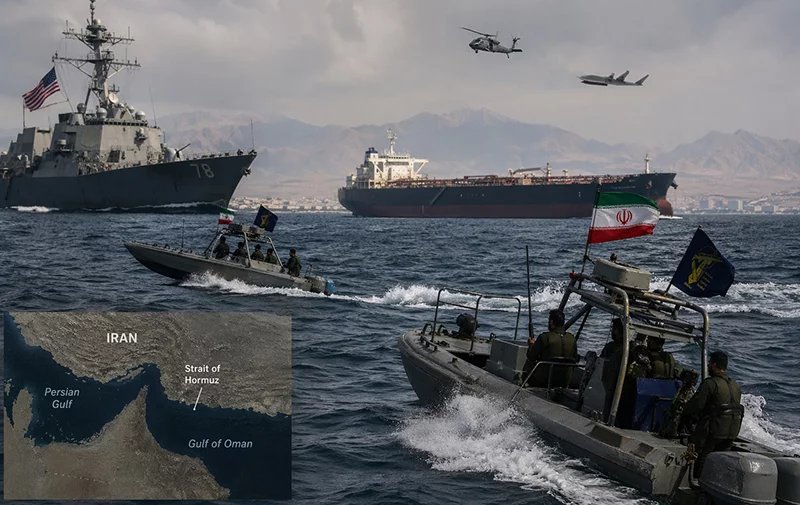
The situation in the Strait of Hormuz is extremely volatile. Iranian Revolutionary Guard speedboats are actively challenging commercial vessels. Several cargo ships have been detained. The US Navy is on full alert with aircraft carriers and destroyers deployed in large numbers. Seafarers are stranded and shipping companies are scrambling for safer routes
2. How the Strait of Hormuz Crisis Began
The Strait of Hormuz handles nearly 20% of the world’s daily oil transport. As US-Iran tension intensified, Iran launched retaliatory measures including mine-laying operations and vessel seizures. What started as political friction has rapidly turned into a major international maritime crisis.

3. Trump’s ‘Shoot to Kill’ Order and US Naval Strategy
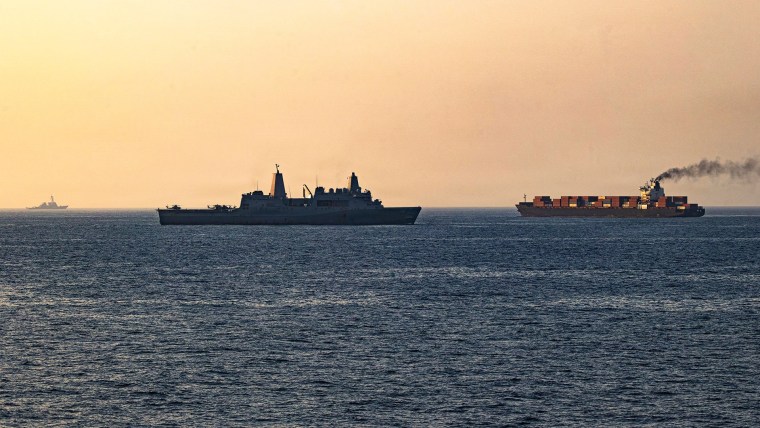
In a sharp escalation, President Trump has authorized US forces to neutralize any Iranian vessel posing a threat. The US Navy has significantly increased its presence in the Persian Gulf. This “shoot to kill” directive marks a dangerous turning point in the US-Iran tension.
4. Iran’s Aggressive Actions and Impact on Global Shipping
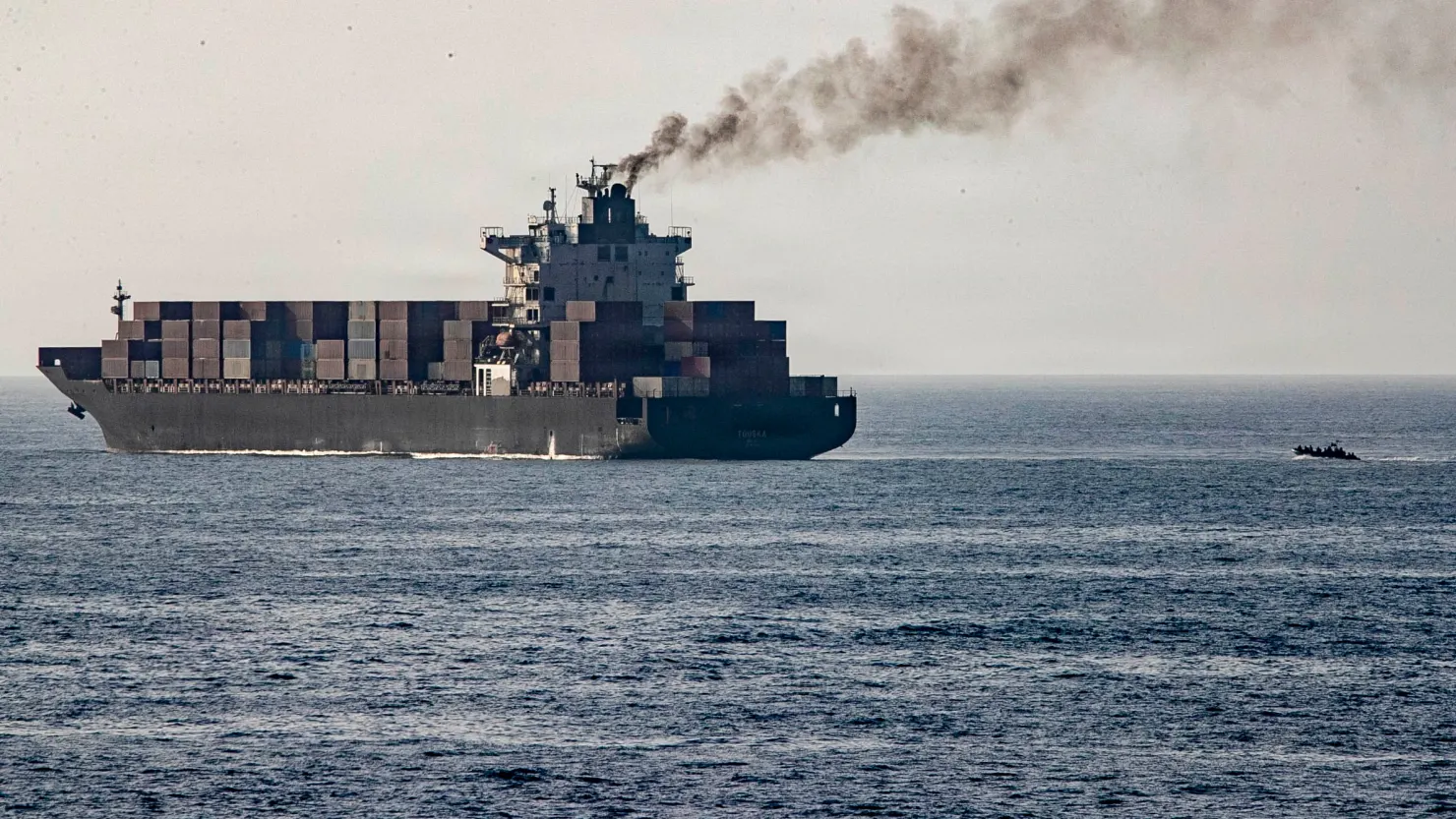
Iran has seized multiple international cargo ships. Shipping lanes have become high-risk zones. Major companies are now rerouting vessels around Africa, causing massive delays and skyrocketing insurance costs.
5. Oil Price Surge Triggered by US-Iran Tension
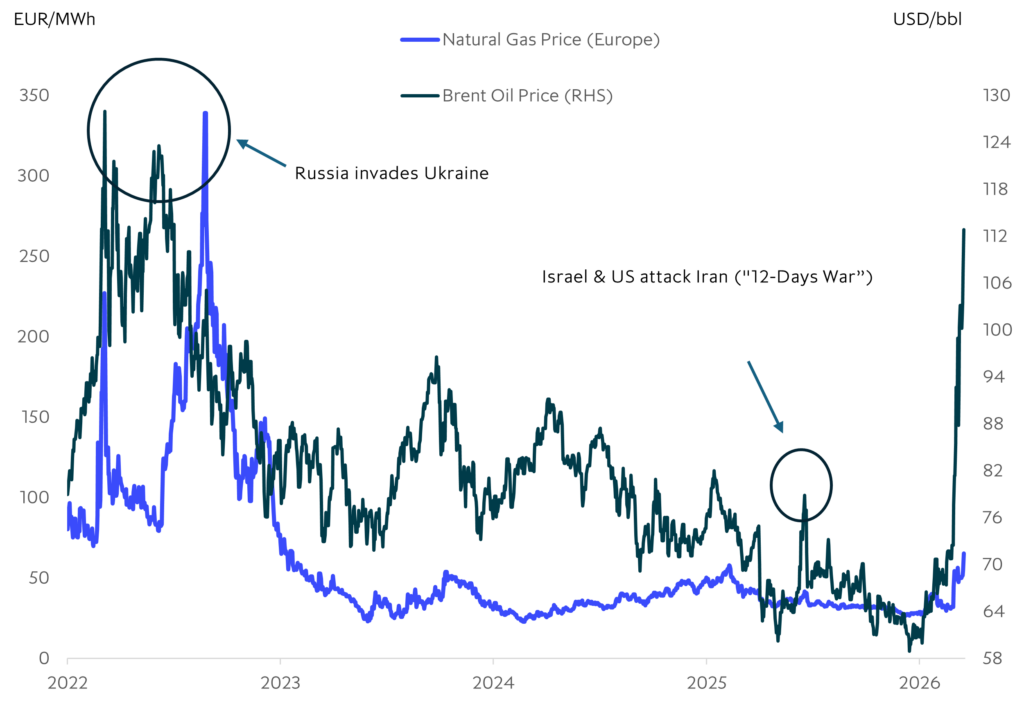
The US-Iran tension has already sent oil prices soaring. Brent crude and other benchmarks have recorded sharp gains. Analysts warn that a prolonged disruption could trigger global inflation and push several economies toward recession.

6. Diplomatic Efforts and the Future of the Middle East
Iran’s Foreign Minister Abbas Araghchi has arrived in Pakistan for indirect talks with the US. Meanwhile, the Israel-Lebanon ceasefire has been extended by three weeks, though Hezbollah has dismissed it as meaningless. The US-Iran tension continues to reshape Middle East geopolitics.
7. What Experts Are Saying
Geopolitical analysts fear that miscalculation could lead to full-scale conflict. Energy experts warn of severe supply chain disruptions and long-term damage to global markets if the crisis is not resolved quickly.
8. Conclusion: The Biggest Threat to Global Energy Security
The US-Iran tension in the Strait of Hormuz is currently the biggest story in the world. A single incident here could send shockwaves through every economy on the planet. World leaders must urgently pursue diplomatic solutions before the situation spirals further.
We will continue to provide live updates on this fast-developing US-Iran tension. What do you think — will this crisis be resolved through talks or escalate into direct confrontation? Share your views in the comments.
Table of Contents
- Current Status of US-Iran Tension
- How the Strait of Hormuz Crisis Began
- Trump’s ‘Shoot to Kill’ Order and US Naval Strategy
- Iran’s Aggressive Actions and Impact on Global Shipping
- Oil Price Surge Triggered by US-Iran Tension
- Diplomatic Efforts and the Future of the Middle East
- What Experts Are Saying
- Conclusion: The Biggest Threat to Global Energy Securi
Global Reactions to US-Iran Tension Countries around the world are closely watching the US-Iran tension. China has called for immediate de-escalation and offered to mediate. Russia has blamed US policies for the current crisis. European nations are worried about rising energy costs this winter.
India, which imports a large portion of its oil from the Gulf, is monitoring the situation carefully. Shipping companies have already increased freight charges by 30-40% on routes passing through the region.
What Could Happen Next?
- If the US-Iran tension continues, oil prices could cross $110 per barrel.
- Insurance costs for ships in the Gulf have already tripled.
- Possibility of a wider conflict involving Israel and other regional players remains high.
Experts believe that only high-level diplomatic talks between the US and Iran can resolve this dangerous situation quickly.