April 23, 2026 – What started as a regional standoff has now become a global energy nightmare. The Strait of Hormuz, the narrow chokepoint through which one-fifth of the world’s oil and a quarter of its LNG flows, is turning into a dangerous naval battlefield between the United States and Iran. With attacks on commercial ships, seizures, blockades, and rising military presence, this crisis is already pushing oil prices over $100 per barrel — and the worst may be yet to come.
This is not just another Middle East headline. It directly impacts your fuel bills, airline tickets, grocery prices, and global markets. Here’s a complete, detailed breakdown.
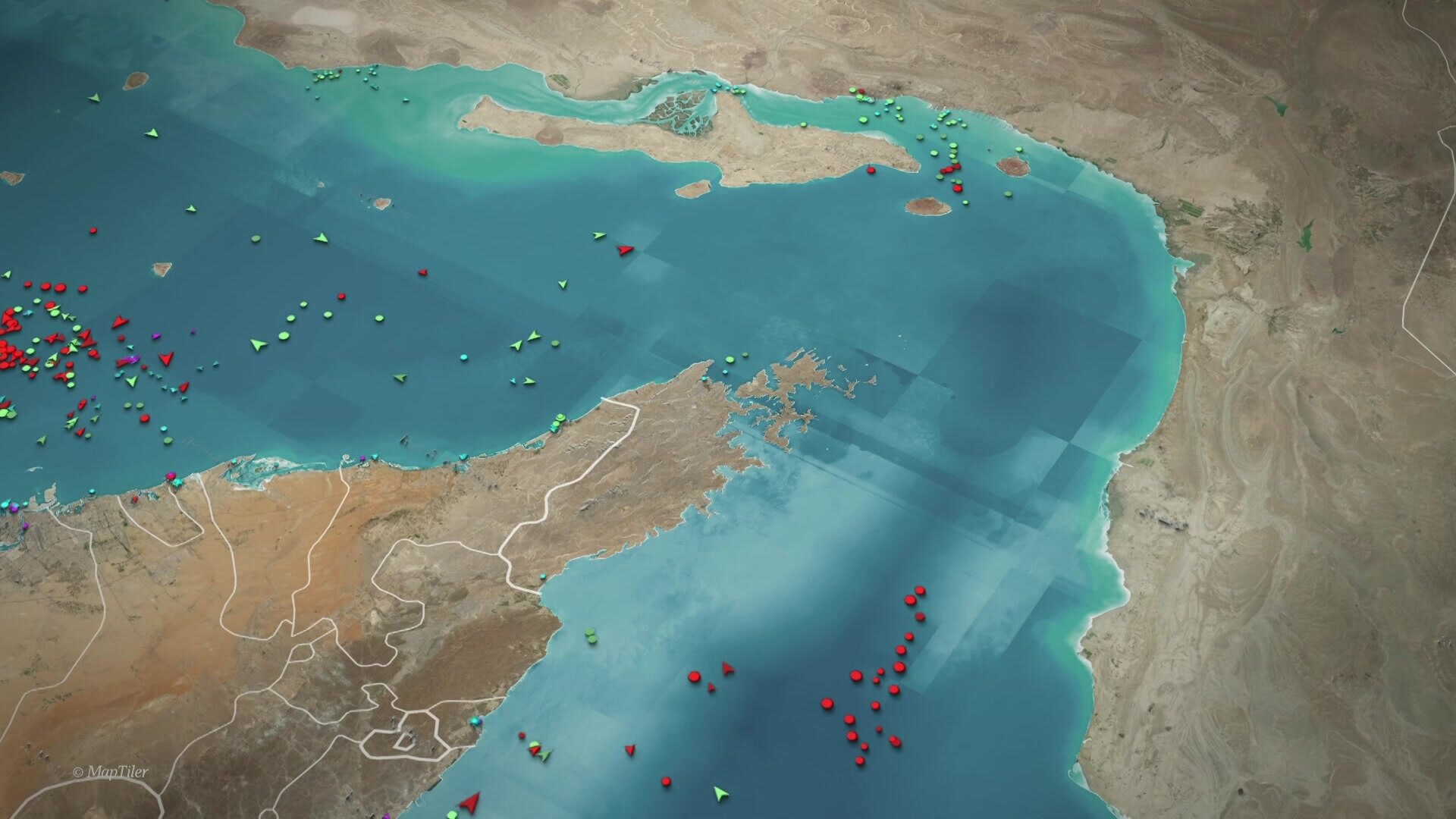
Strait of Hormuz ship traffic remains at standstill despite Iran, US and Israel ceasefire – ABC News
Satellite view of the Strait of Hormuz showing drastically reduced shipping traffic amid the crisis. Green and blue markers represent normal movement; red zones highlight danger areas where vessels are avoiding passage or facing threats.
Why the Strait of Hormuz Matters to the Entire World
This 21-nautical-mile-wide waterway connects the Persian Gulf to the Gulf of Oman. Every day, it carries:
- 21% of global crude oil
- 25% of liquefied natural gas (LNG)
- Billions of dollars in petrochemicals
For major importers like India, China, Europe, and Japan, it is a critical lifeline. Any prolonged disruption could trigger energy shortages, inflation spikes, and even recession risks worldwide.
Timeline of the Escalating Crisis
- US Naval Blockade: President Trump extended the ceasefire but kept a strict blockade on Iranian ports. US forces have intercepted and seized Iranian-flagged vessels, damaging engines in some cases.
- Iran’s Retaliation: Iranian forces attacked at least three commercial ships, seized two vessels, and began demanding “tolls” from passing traffic. The Revolutionary Guard has issued strong warnings.
- Failed Diplomacy: Talks in Pakistan produced no breakthrough. The fragile truce remains in place but is under immense pressure.

Strait of Hormuz Crisis 2026: US-Iran Clash Pushes Oil Over $100 – Global Energy Shock
Mapping US troops and military bases in the Middle East
Map showing US and allied military bases across the Middle East, surrounding Iran. Key locations include the US Fifth Fleet in Bahrain and massive air bases in Qatar and the UAE.
Military Showdown: Power vs. Asymmetric Tactics
The US brings overwhelming conventional power:
- Aircraft carrier strike groups
- Advanced fighter jets (including F-22 Raptors)
- Destroyers and submarines
Iran relies on swarm tactics:
- Hundreds of fast-attack speedboats
- Anti-ship missiles
- Naval mines
US Navy Sends Carrier to Persian Gulf As Tensions With Iran Rise – Business Insider
US aircraft carrier patrolling near the region — a symbol of American naval dominance and a major deterrent.

Taregh-class speedboat – Wikipedia
Iranian Revolutionary Guard speedboats — small, fast, heavily armed, and capable of overwhelming larger targets through swarm attacks.
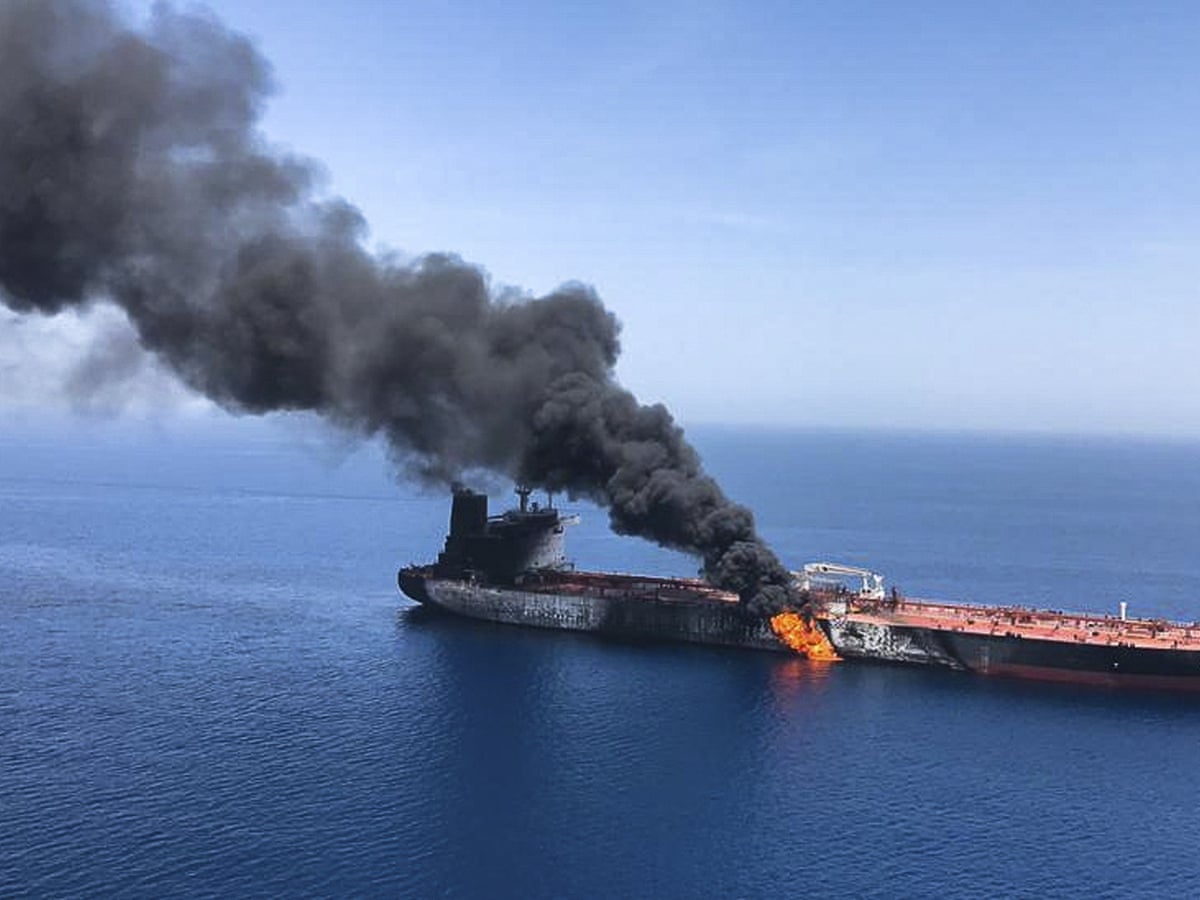
A visual guide to the Gulf tanker attacks | Middle East and north Africa | The Guardian
Visual of a damaged oil tanker billowing smoke — scenes like this have become a real risk in the Strait, scaring shipping companies away.
Economic Shockwaves Already Hitting Global Markets
Oil prices have crossed $100 per barrel and could climb higher. Shipping costs are soaring, flights are being cut, and supply chains are straining.
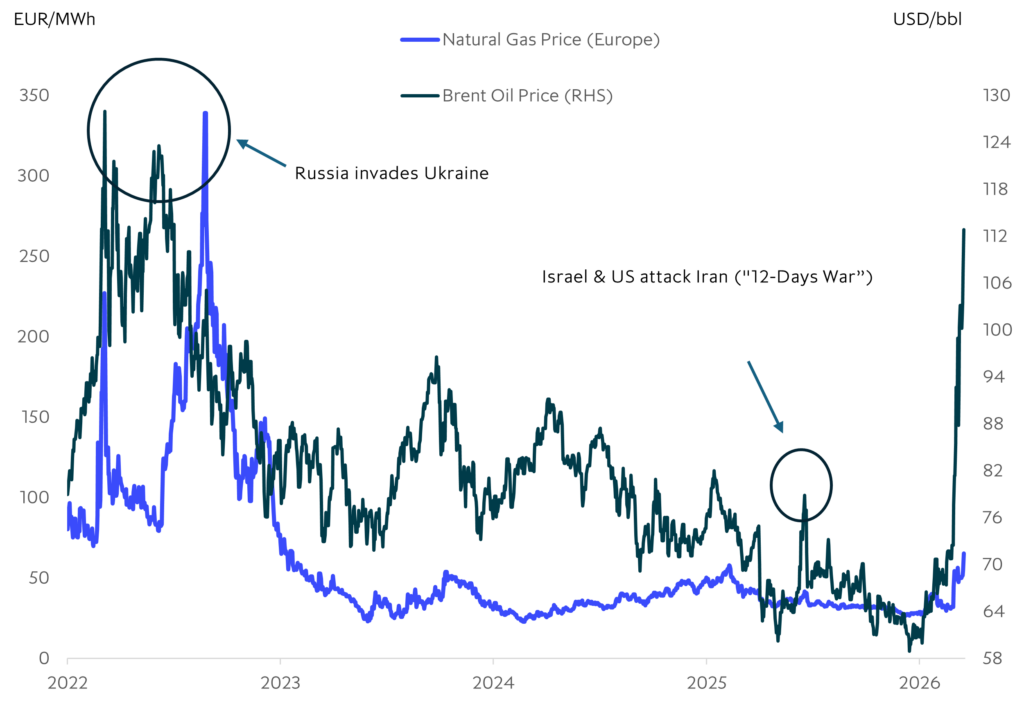
Strait of Hormuz
Middle East Conflict Key Points: The risk of unintended consequences remains high – ICG
Oil and gas price chart illustrating sharp spikes during recent Middle East tensions, with the 2026 crisis pushing Brent crude even higher.
Impact on India and Emerging Markets:
- Petrol and diesel prices could rise sharply (potentially ₹110–120+ per litre)
- Higher transport costs will push up prices of food, goods, and essentials
- Stock markets and rupee under pressure
Developed nations in Europe and Asia are also facing higher energy bills and inflation risks.
What Happens Next? Possible Scenarios
- Best Case: Diplomatic breakthrough via backchannel talks or mediation — Strait reopens fully.
- Worst Case: Full closure or major incident leading to direct naval clashes, severe oil shortage, and global recession.
- Most Likely: Prolonged tension with sporadic attacks, keeping prices volatile for weeks or months.
China and Russia are backing Iran diplomatically, turning this into a broader geopolitical contest.
Bottom Line: The world cannot afford a closed or unsafe Strait of Hormuz. This crisis affects every economy, every driver, and every household. Monitor developments closely — new updates are emerging hourly.
Share this article if it helped you understand the stakes. What do you think — will diplomacy win, or are we heading toward a bigger conflict? Drop your thoughts below, and let me know if you want deeper analysis on oil prices, India’s specific risks, or the latest military moves.
Stay informed. The next few days could reshape global energy for years. 🌍⚠️